Get in touch
Learn more about how to drive better business outcomes with financial benefits that make a difference.
Thank you! Your submission has been received!
Oops! Something went wrong while submitting the form.

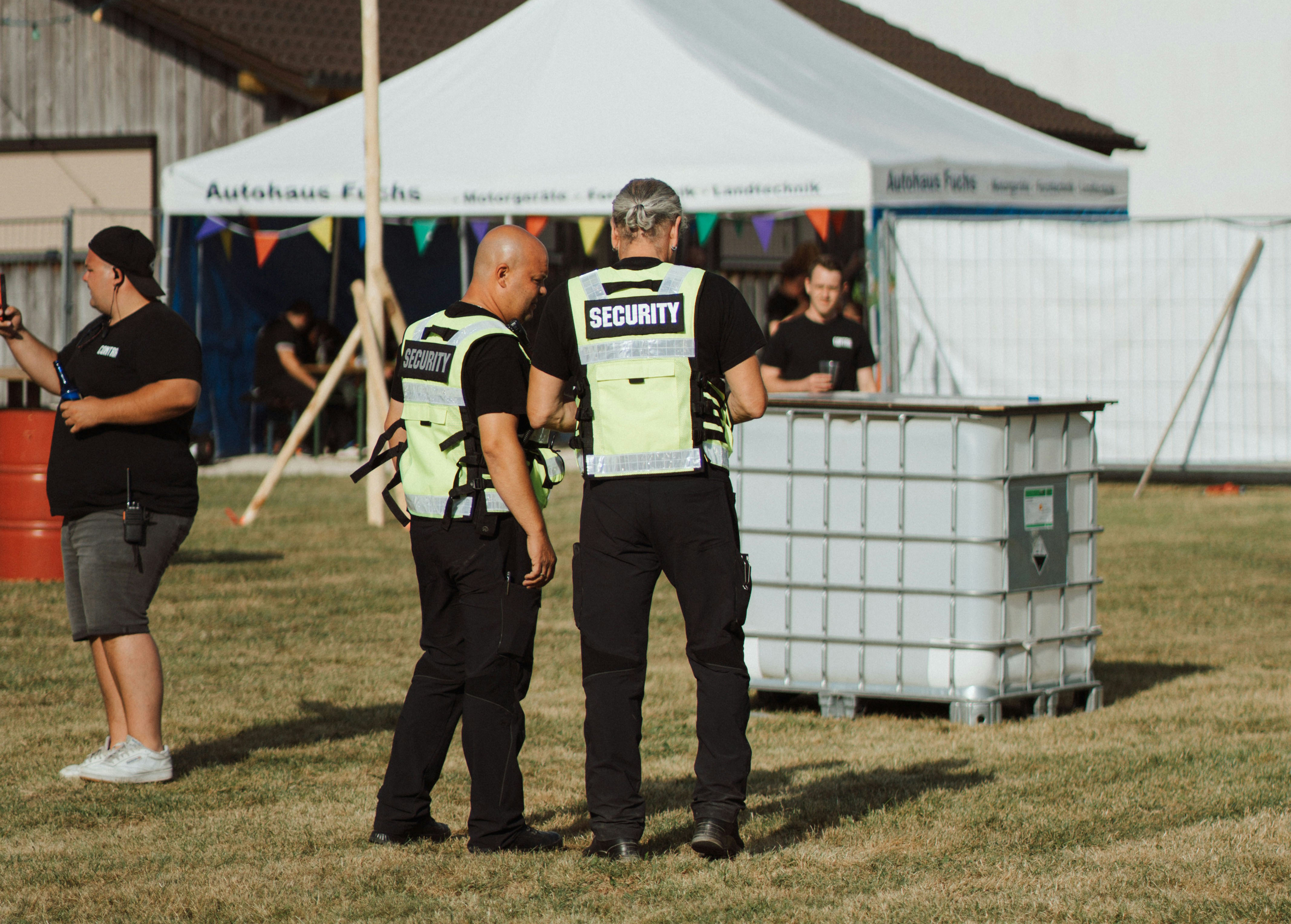
Security is a reliability business. Clients don’t just hire coverage - they hire consistency, response, and trust.
Security is one of the few industries where a no-show is immediately visible to the customer. That visibility changes everything. A single uncovered post doesn’t stay “internal” it becomes a client experience in real time.
That’s why staffing volatility hits security harder than most industries. When a post goes uncovered (or covered late), costs spike, leaders scramble, and client confidence starts to slip.
Let’s zoom in on how it actually happens.
In most industries, absenteeism creates headaches. In security, it creates immediate risk. One missed shift typically triggers a chain reaction:
That is the no-show cascade. It’s why attendance is not a soft HR topic in security - it’s an operations KPI tied directly to contract health.
Most security companies feel these costs every week, but they rarely show up as a single clean line item.
First, overtime and premium pay becomes the default. The fastest fix for coverage gaps is overtime, but when gaps become routine, overtime becomes permanent.
Second, supervisor and dispatch firefighting time explodes. Your highest-leverage leaders spend their day calling people, reshuffling schedules, and responding to client complaints - that’s triage, not leadership.
Third, client escalation and renewal risk increases. Clients may tolerate an occasional issue, but they don’t tolerate a pattern. Patterns are what kill renewals.
Fourth, training churn becomes a treadmill. Constant hiring means constant onboarding. You’re investing time and money in people who never fully ramp, and your experienced officers burn out covering for the instability.
Fifth, safety and incident exposure rises. In security, disengagement isn’t just expensive - it can be dangerous. Industry operators have been blunt about the consequences when officers disengage: people can get hurt, theft or vandalism can increase, and stressful situations can escalate quickly.
Most officers are not trying to be unreliable. But when people are living paycheck to paycheck, pay timing creates operational consequences.
A small cash problem turns into a missed shift: gas or transportation money runs short, childcare costs hit before payday, an unexpected bill becomes a crisis, and people pick up other work because they need money sooner. Over time, job-hopping starts to feel like the fastest “solution.”
This is exactly why the security industry is often described as having extremely high turnover - with some sources citing 100%+ annual turnover as a common reality.
In Puerto Rico, guard wages vary by role, shift, and whether posts are armed, but the economics of turnover are consistent: replacing an officer is expensive once you include recruiting, screening, onboarding, uniforms, training time, and supervisor time.
Here’s the simple math using conservative assumptions:
That’s about $2.4M per year in turnover cost.
If you cut turnover in half, that’s about $1.2M per year back to the business - before you even count overtime spikes, uncovered post exposure, and renewal risk.
Cobraste Earned Wage Access (EWA) gives employees access to wages they’ve already earned, when they need it.
In security operations, that matters because it reduces the cash timing pressure that causes missed shifts and job-hopping. When officers can access earned wages, they’re more likely to show up consistently, less likely to chase other shifts just to bridge the gap to payday, and more stable during the early weeks when churn is highest.
This isn’t theoretical. In a major security employer case study (G4S), on-demand pay was directly tied to improved attendance because employees knew that working one day would result in money available quickly.
Cobraste is production ready in Puerto Rico and already integrated with the leading payroll/workforce providers.
If three or more of these are true, you’re already paying for instability every week:
If this sounds familiar, waiting isn’t neutral. You’re paying for the problem now.
Coverage volatility compounds: one missed post becomes overtime, burnout, and client pressure… then it repeats.
Cobraste EWA is designed to break that cycle fast, and we’ve packaged the rollout end-to-end (training, employee onboarding, and communications) so you can implement without draining your team’s time. When you’re ready to move, the path is straightforward - and it moves quickly.

